Single vs Double Layer Air Dome
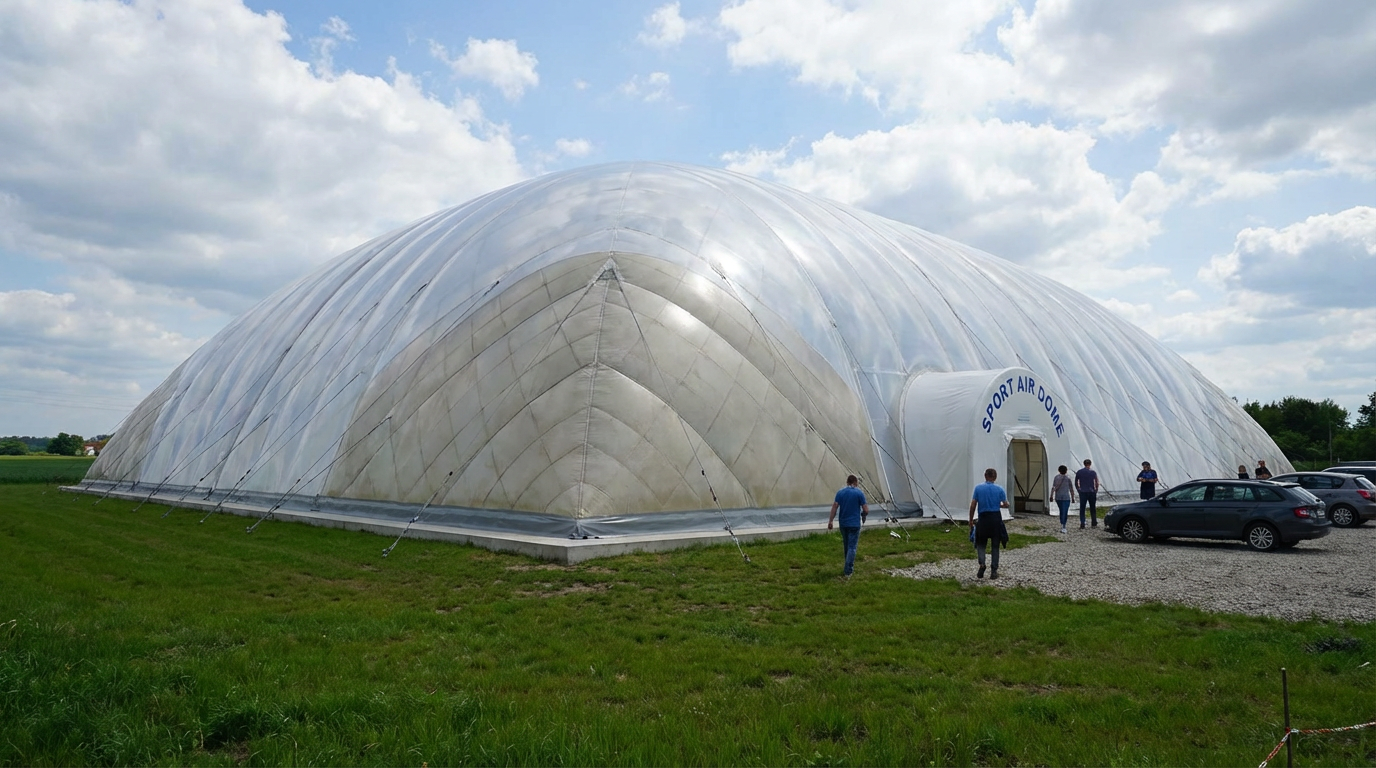
You’re facing a significant decision that’ll impact your facility’s operating costs for decades. While that single-layer air dome might save you $700,000 upfront, it could cost you far more in heating bills if you’re in a cold climate. The math isn’t as straightforward as it appears—energy consumption patterns, local utility rates, and seasonal temperature variations all factor into which option actually delivers better value for your specific situation.
Climate Guide: Does Your Location Need Double Layer Air Domes?
Where you’re located determines whether you’ll need the extra insulation of a double-layer air dome or if a single-layer structure will suffice. If your facility operates in temperatures regularly dropping below freezing, double-layer construction becomes essential for maintaining comfortable indoor conditions while controlling heating costs.
Single layer vs double layer decisions hinge on your winter climate severity. Northern climates with sustained sub-zero temperatures demand double-layer systems to prevent excessive heat loss and condensation issues. The superior insulation keeps operating costs manageable when heating from -10°F to 70°F.
Conversely, you’ll find single-layer domes adequate in moderate climates where winter temperatures rarely dip below 20°F. These locations won’t justify the additional 40% upfront investment since heating demands remain reasonable throughout the season.
Air Dome Performance: Energy Costs In Different Weather Conditions
When temperatures plummet below freezing, you’ll see dramatic differences in energy consumption between single and double-layer air domes. Single-layer structures require considerably more heating power to maintain comfortable interior temperatures, especially when outside conditions drop to -10°F or below. Your heating costs can skyrocket during extended cold periods, making single-layer domes expensive to operate in northern climates.
Double-layer insulated domes reduce energy consumption by 30-40% compared to single-layer alternatives. The insulation gap between layers creates a thermal barrier that retains heat more effectively, lowering your operational expenses throughout winter months.
- Single vs double layer dome energy efficiency becomes most apparent during extreme weather events
- Operating costs compound over time, affecting your facility’s long-term profitability
- Climate zone determines whether energy savings justify higher upfront investment
Air Dome Pricing: Single Layer ($700K) Vs Double Layer ($1.4M)
The initial investment for a 20,000 square foot air dome varies considerably between single and double-layer options, with single-layer structures typically costing $700,000 to $1 million compared to $1 million to $1.4 million for double-layer insulated versions.
This represents approximately a 40% price increase when you choose the insulated air dome configuration.
While the upfront cost difference seems substantial, you’ll need to evaluate long-term operating expenses.
See How It Works for Your Facility
Use our interactive configurator to design your perfect air dome, get instant pricing, and visualize your space in 3D—all in under 5 minutes.
Explore ConfiguratorDouble-layer systems deliver 30-40% lower heating costs, which becomes essential in northern climates where temperatures drop markedly.
The return on investment typically occurs within 3-4 years in cold weather regions.
Your climate determines whether the premium pricing makes financial sense.
In warmer areas, single-layer domes offer adequate performance at lower initial cost.
Air Dome ROI: How Long Before Double Layer Pays For Itself?
Understanding your payback timeline helps justify the higher upfront investment in double-layer air dome technology. Your air dome insulation comparison reveals that double-layer systems typically pay for themselves within 3-4 years in northern climates through significant energy savings.
You’ll spend an additional $300K-$400K upfront for double-layer construction, but you’ll save 30-40% on operating costs annually. These savings primarily come from reduced heating expenses during winter months when single-layer domes struggle with efficiency.
- Climate dependency: Colder regions see faster ROI due to extreme temperature differentials requiring intensive heating.
- Usage patterns: Year-round facilities accelerate payback compared to seasonal operations through consistent energy savings.
- Energy costs: Rising utility rates improve double-layer ROI calculations over time.
Your investment decision should factor in local climate conditions and intended facility usage patterns.
Ready to Take the Next Step?
Schedule a free consultation with our experts. We'll review your site, answer your questions, and provide a detailed proposal tailored to your needs.
Book Free Consultation